


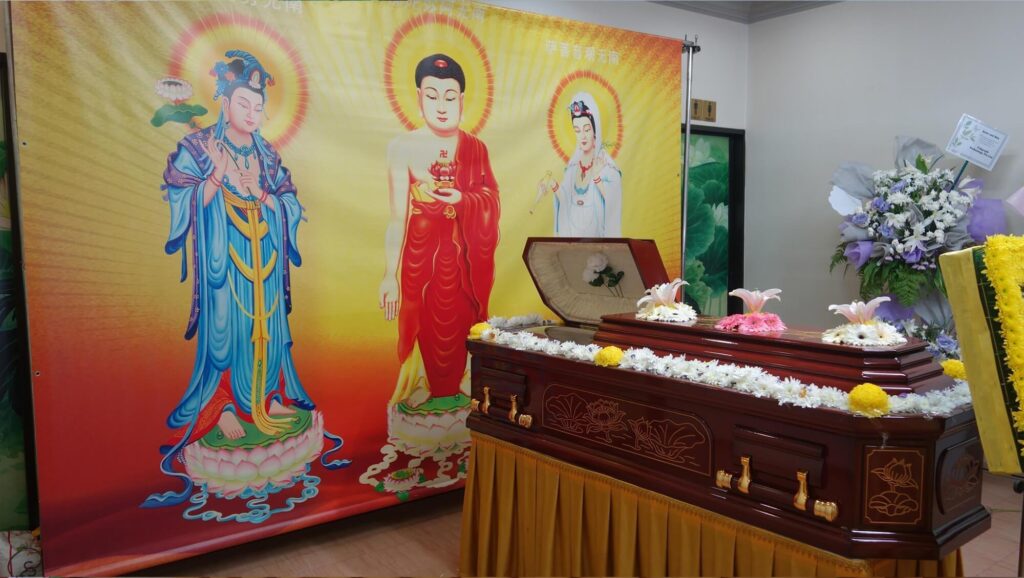
The loss of a family member can create confusion about the steps families should take after someone passes away. Buddhist funerals are commonly practised throughout Singapore, but many people may not fully understand the customs and ceremonial practices involved.
The wake and final rites each serve specific purposes through the different stages of the funeral process. Families who understand these customs are often able to make decisions more calmly and thoughtfully during difficult times.
Funeral planning becomes less overwhelming when clear steps are in place, especially during sudden arrangements. Buddhist funeral services in Singapore help families focus on honouring their loved ones while ensuring that traditional rites are carried out with care and respect.
What Is the Meaning Behind a Buddhist Funeral?
A Buddhist funeral is more than a farewell. It supports the belief in rebirth, where death is part of a continuous cycle of existence, and helps guide the deceased into their next stage.
The funeral focuses on:
- Generating good karma for the deceased
- Offering prayers and chants
- Creating a peaceful environment for transition
For families, it is also a time to show respect and express gratitude.
What Happens Immediately After Death?
When a person passes away, the family usually contacts a funeral company in Singapore. Many families choose Buddhist funeral services in Singapore to guide them through the process.
Key steps include:
- Transporting the body to a wake location
- Preparing the body for viewing
- Setting up an altar
- Arranging monks or chanting services
The wake may be held at:
- The family home
- A void deck
- A funeral parlour
Each option depends on space, budget, and preference.
Why Is the Wake Important?
The wake is an important part of the funeral and usually lasts between one and five days.
What happens during the wake?
- Family and friends visit to pay their respects
- Offerings are placed at the altar
- Monks or prayer groups perform chanting
The altar often includes:
- A photo of the deceased
- Candles and incense
- Flowers and fruits
The atmosphere is calm and respectful. Guests may bow or offer incense as a sign of respect.
Why Does Chanting Play Such a Key Role?
Chanting plays a central role in Buddhist funerals. It is believed to guide the spirit and bring peace.
Why chanting matters:
- It helps the deceased to let go
- It creates a calm environment
- It builds positive karma
Chanting is usually performed by monks or trained practitioners. Some families arrange sessions at specific times each day.
What Should Families Prepare in Advance?
Funeral arrangements can feel overwhelming, as families must manage every detail of the preparations. Understanding what needs to be organised and what resources are required can help make the process more manageable and ensure better readiness.
Basic preparations include:
- Death certificate
- Funeral location
- Religious arrangements
- Budget planning
Buddhist funeral packages in Singapore or Singapore funeral services packages provide families with an easy way to handle these necessary steps. The packages include these items as standard components:
- Wake setup
- Casket
- Chanting services
- Funeral transport
These arrangements allow families to spend their time remembering their loved one instead of handling all administrative duties.
How Much Does a Buddhist Funeral Cost?
The expenses will vary depending on the duration of the wake and the different service options you choose.
Common factors that affect cost:
- Duration of the wake
- Type of casket
- Number of chanting sessions
- Location of the wake
Buddhist funeral packages in Singapore help families understand their options through clear choices. The fixed structure of packages allows customers to manage their spending, as they can estimate total expenses from the start.
What Happens on the Final Day
The final day of a funeral is often when emotions are at their deepest. It marks the final farewell, with a proper memorial service allowing family and loved ones to say goodbye as the deceased completes their final journey.
During this time, attendees come together to honour the departed and support a peaceful spiritual transition, helping maintain a calm and respectful atmosphere.
Key Steps on the Final Day
Several important rituals take place before the final departure:
- Final prayers or chanting are conducted
- People come together to show their respect through final farewell ceremonies.
- The casket is sealed as part of a careful and respectful process.
The family completes each step with proper respect, allowing them to share their final moments together.
The Funeral Procession
The funeral procession begins after the final rites are completed. This usually includes:
- A hearse carrying the casket
- Immediate family members
- Close friends and relatives
The procession then proceeds to the crematorium or burial site, where the final rites are carried out.
Is Cremation or Burial More Common?
In Singapore, cremation is more common due to space limitations, although burial remains an option for some families.
Cremation:
- Ashes are collected after the process
- Stored in an urn
- Placed in a columbarium or kept at home
Burial:
- Less common
- Usually follows strict regulations
Both options are respected within Buddhist traditions.
Mourning Practices to Follow After a Buddhist Funeral
After the funeral, many families observe a period of mourning. This time allows them to grieve, reflect, and continue showing respect for the deceased. While the duration and practices may differ, the focus remains on remembrance, calmness, and honoring the memory of the loved one.
Clothing During the Mourning Period
Family members usually wear plain or dark-coloured clothing. This shows both personal sorrow and deep respect for the deceased. People generally avoid bright or vibrant colours during a funeral service.
Avoiding Social Events and Celebrations
During this period, many people choose to avoid social events and celebrations they would normally attend. This helps maintain a calm, quiet, and respectful atmosphere at home while allowing space for reflection and remembrance.
Daily Practices at Home
Families who continue their traditions may perform basic rituals, which include prayer offerings, incense burning, and altar maintenance. These practices help people maintain their connection with those who have passed away.
Prayer Days and Their Significance
People conduct prayer sessions on the seventh, forty-ninth and hundredth day following a person’s death. These rituals are believed to help the spirit move between realms while also providing emotional support to the family members.
Are There Cultural Differences in Singapore?
Buddhist funerals in Singapore are influenced by different cultures. Chinese traditions often blend with Buddhist practices.
Variations may include:
- Different chanting styles
- Use of paper offerings
- Specific altar setups
Because of this, no two funerals are the same. Families often follow customs passed down through generations.
How Do You Choose the Right Support?
People require accurate guidance to help them navigate through difficult times.
Buddhist funeral services in Singapore have become the preferred choice for many families, as these services assist with both emotional needs and practical requirements.
Proper support allows families to avoid handling everything on their own, reducing stress levels and providing greater peace of mind.
A good provider will usually:
- Explain each step in a clear and simple way
- Respect religious traditions and customs
- Arrange chanting and ritual services properly
- Handle logistics such as transport and setup
- Offer support with care and understanding
This kind of support allows families to focus on remembering their loved one in a calm and meaningful way.
What Questions Do Families Often Ask?
How long should a Buddhist funeral last?
Most wakes last between three and five days. The length depends on family preference and availability.
Do all Buddhist funerals require monks?
Not always. Some families choose lay practitioners or simplified ceremonies.
Is chanting necessary?
Chanting is an important part of the tradition, but the extent may vary.
What should guests wear?
Guests usually wear black or muted colours. Bright colours are avoided.
How Can Families Cope Emotionally?
Grief can be overwhelming. Planning a funeral while dealing with loss can feel heavy.
Ways to cope:
- Lean on family and friends
- Take breaks when needed
- Focus on meaningful rituals
A funeral is not just about loss. It is also a way to honour a life and find closure.
Final Thoughts
Overall, planning a Buddhist funeral in Singapore requires families to follow traditional customs while still allowing some personal preferences. Families may include their own practices, although established traditions provide a clear framework to follow.
Ritual understanding and cost management become more manageable when the right information and support are available. Families who choose Buddhist funeral services in Singapore often find that these services simplify funeral planning during a period of emotional distress.
A funeral ceremony serves a purpose beyond following tradition. It is a way to show respect, express gratitude, and create meaningful farewell moments. Families benefit from proper guidance to help ensure ceremonies are conducted in a respectful way, creating peaceful memories and lasting remembrance.